Why 70% isopropyl alcohol works better than 99%
It sounds backwards, but the weaker solution is the better disinfectant. The reason is water.
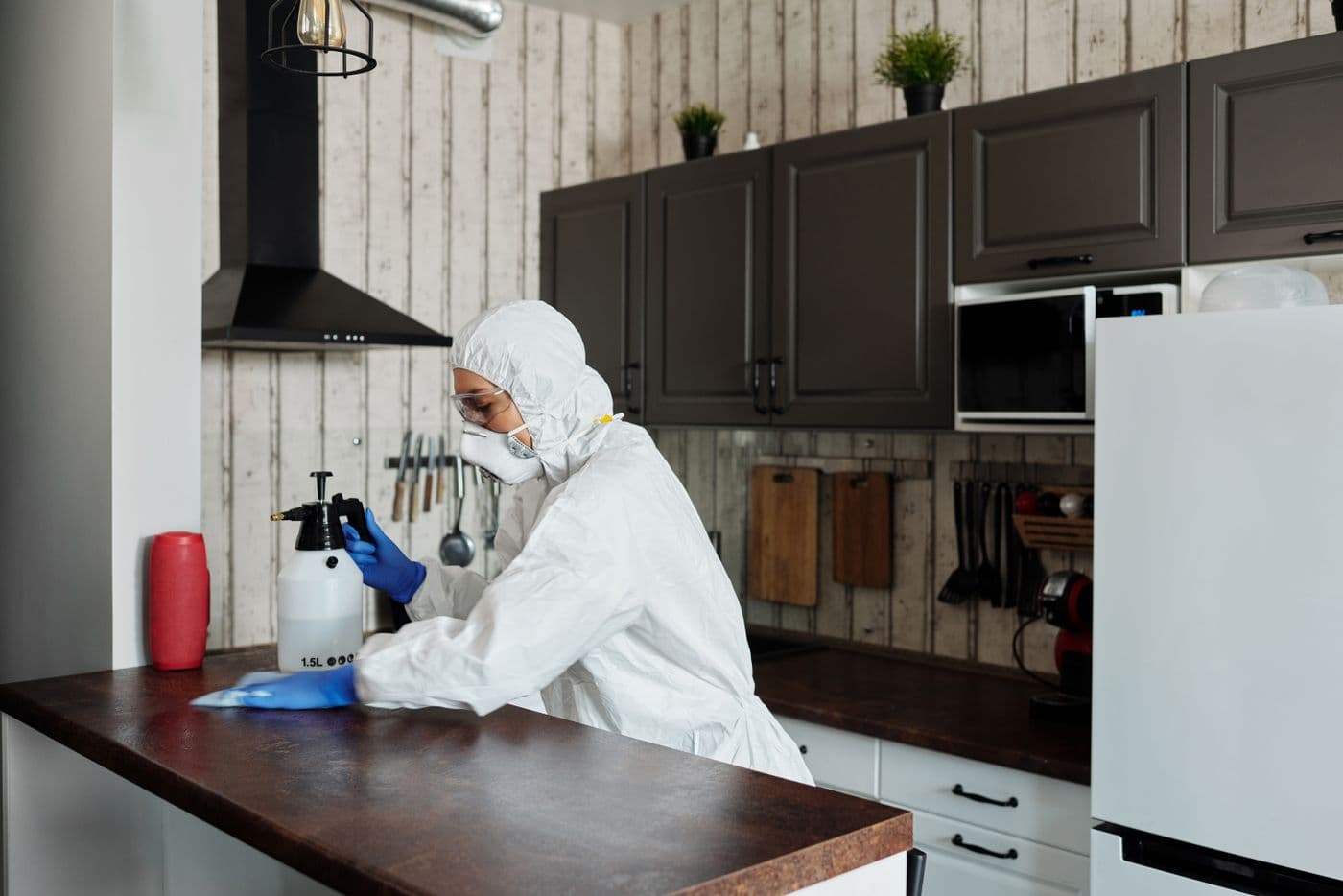
Most people assume a 99% solution disinfects better than a 70% one. It’s actually the other way around, and the difference matters anywhere surface disinfection is part of a written procedure.
Water helps the alcohol work
Isopropyl alcohol kills germs by breaking down the proteins inside them. To do that, it has to get inside the cell. Water carries the alcohol through the cell wall and slows evaporation long enough for it to work. A 99% solution has almost no water, so it evaporates before the job is done.
Too strong, and the germ protects itself
At very high strength, alcohol hardens the outer layer of the cell almost instantly. That layer becomes a shell that protects the germ inside. The surface looks clean, but the germ survives.
Contact time matters most
Every disinfectant needs time to work. If the label says the surface should stay wet for a set time, wiping it dry early makes the whole step pointless. It’s the most common mistake we see during audits.
When to use it
70% isopropyl alcohol works well on small hard surfaces and things people touch often. It can’t replace a full room treatment, though. For rooms, fabrics and the spaces behind equipment, ULV fogging reaches where wiping can’t.
Written by the Mace field team. Ask us about your site.